

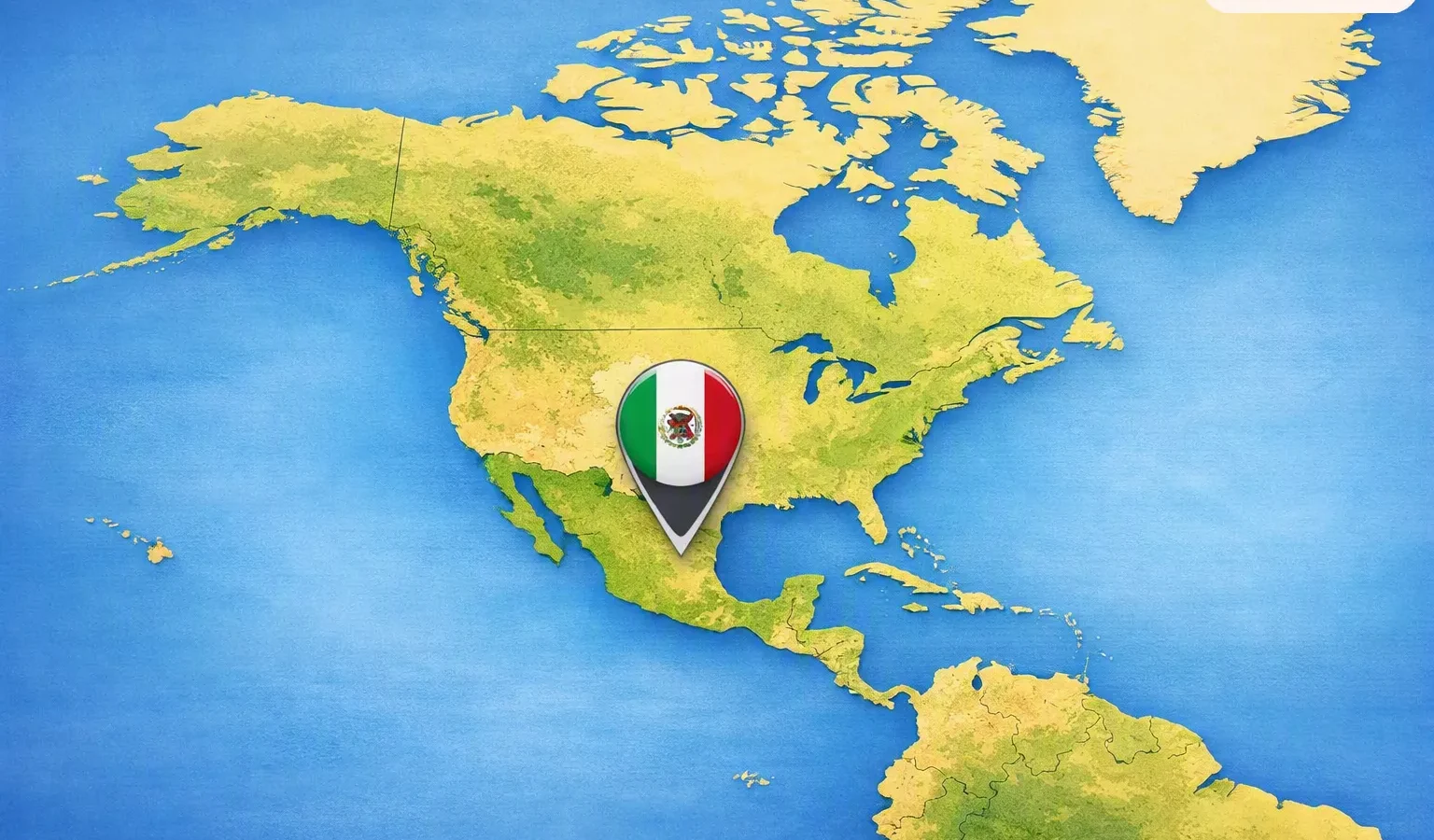
Mexico is the most established expat destination in Latin America: close to the United States and Canada, cheap to fly to, and with residency rules that are demanding on paper but predictable in practice. It is also a country where the rules changed recently and much of the advice online is out of date.
Mexico at a glance
| Currency | Mexican peso (MXN) |
| Official language | Spanish |
| Time zones | Four, from UTC-5 in Quintana Roo to UTC-8 in Baja California |
| Tourist entry | Visa-free for most Western nationalities. The length of stay is set by the officer, can be up to 180 days, though not guaranteed |
| Route to residency | Economic solvency, applied for at a consulate abroad |
| Healthcare | Public IMSS and IMSS-Bienestar alongside a large, affordable private sector |
| Property for foreigners | Permitted, but coastal and border land requires a bank trust |
| Main expat regions | Yucatán peninsula, Bajio, Pacific coast, Mexico City, Lake Chapala |
The 180-day myth
The most repeated piece of outdated advice about Mexico is that tourists automatically get 180 days. They do not, and have not for some time. Immigration officers now set the permitted stay at their discretion, and stamps of 30, 60 or 90 days are common, particularly for people who visibly live in Mexico and leave briefly to reset the clock.
The practical consequence: if you intend to live in Mexico, the tourist route is no longer a reliable substitute for residency. Plan the residency application before you move, not after.
Buying property
Foreigners can own property in Mexico, with one constitutional restriction. Land within 50 kilometers of the coast or 100 kilometers of a land border sits in the zona restringida, where foreigners cannot hold direct title. The standard route is a fideicomiso, a bank trust in which a Mexican bank holds title while you retain full rights to use, sell, improve and bequeath the property. It is routine, and it carries an ongoing annual cost that budgets often miss.
This matters most in exactly the places expats want to live: Cancún, Playa del Carmen, Puerto Vallarta, Tulum and the whole Baja peninsula sit inside the restricted zone. Inland cities such as Mérida, Guadalajara, Queretaro and San Miguel de Allende do not, and foreigners can hold direct title there.
Where expats actually go
Mexico is large enough that moving to Mexico means very little on its own. The Yucatán draws people who want safety and colonial cities; the Pacific coast draws retirees and beach life; Mexico City draws professionals and the culturally hungry; the Bajio highlands draw those who want mild weather year round.
Start with a city hub rather than the country as a whole. Cost of living, healthcare quality, rental markets and safety vary far more between Mexican cities than between Mexico and its neighbors.
City hubs


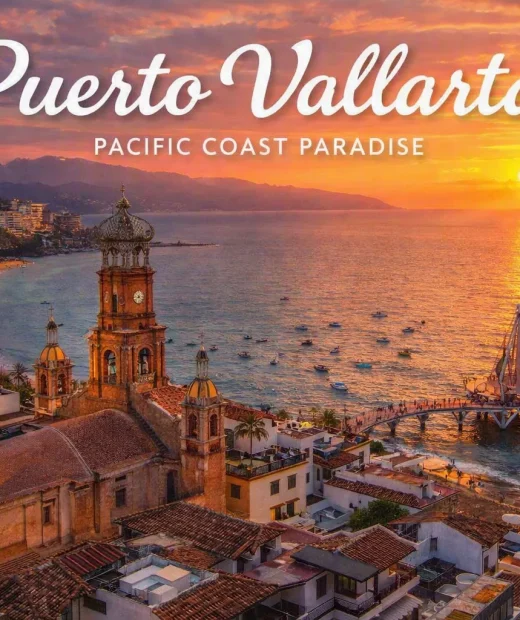
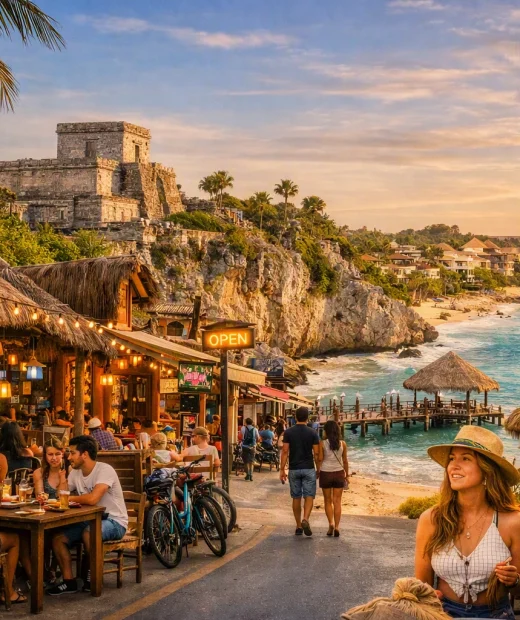
Also in Mexico, not yet built
These have a page holding their spot and nothing on it yet — we publish a place only when we can cover it properly, with every figure sourced and dated. Open one anyway. Each carries a short form asking what you would want that guide to answer, and what readers ask for is what decides the order we build in.
National guides
These apply everywhere in Mexico, so they live at country level rather than being repeated for each city.
- Healthcare — IMSS, IMSS-Bienestar, private insurance and the age-64 deadline
- Cost of living — regional differences, a monthly budget, and the electricity tariff that catches people out
- Housing and property — renting without a guarantor, the coastal bank trust, and ejido land
- Getting around — buses, flights, the Tren Maya and driving
- Embassies and consulates — who has a post on the Caribbean coast, and what consular staff can and cannot do
- Residency — income and savings thresholds, the consulate stage and the 30-day card exchange
- Visas — who needs one, and why the 180-day visitor stay is no longer automatic
- Taxes — the 183-day and vital-interests tests, ISR rates, RESICO, and US obligations
- Banking — why residency comes first, and the CURP to RFC to account sequence
- Safety — the state-by-state advisory table and how to read it
- Schools — public, private and international, and the apostille trap
- Starting a business — ownership rules, CFDI invoicing and monthly filing
- Internet and mobile — carriers, coverage and checking fiber before you sign a lease
States
Some Mexican states have enough distinct identity, or distinct rules, to be worth understanding on their own. Safety advisories, property tax and daylight saving are all set at state level, and culture often is too.
- Quintana Roo — the Caribbean coast, the restricted zone, and permanent UTC-5
- Yucatán — one of only two Level 1 states, and the Maya heartland
- Jalisco — tequila, mariachi, Lake Chapala, and a Level 3 advisory
- Ciudad de Mexico — the capital as a federal entity, and the country’s diplomatic center
- Puebla — colonial architecture, Talavera and mole poblano
Frequently asked questions
Can Americans buy property in Mexico?
Yes. Away from the coast and borders, foreigners can hold direct title in their own name. Within 50 kilometers of the coast or 100 kilometers of a land border, ownership is held through a fideicomiso, a bank trust that gives you full rights of use, sale and inheritance while a Mexican bank holds nominal title.
How long can I stay in Mexico as a tourist?
Up to 180 days, but it is no longer automatic. The immigration officer sets the number of days on entry at their discretion, and shorter stamps of 30 to 90 days are now common. If you plan to live in Mexico, apply for residency rather than relying on repeated tourist entries.
Do I need to speak Spanish to live in Mexico?
In established expat areas such as Lake Chapala, San Miguel de Allende and parts of the Riviera Maya you can manage without it. Everywhere else, and in almost all dealings with banks, INM and healthcare, Spanish makes daily life dramatically easier. Government processes are conducted in Spanish and paperwork must usually be submitted in Spanish.
Is healthcare in Mexico good?
The private sector in major cities is generally well regarded and costs a fraction of United States prices, which is why most expats use private care with private insurance. The public system is free at the point of use for residents but is uneven in quality and can involve long waits. Standards vary sharply by city, so check the healthcare page for your specific destination.
Sources
- Instituto Nacional de Migracion (INM) on visitor permits and permitted length of stay.
- Mexican Constitution, Article 27, on the restricted zone for foreign land ownership.
- Reporting on shortened visitor stamps at Mexican ports of entry, 2024 to 2026.
- Page checked August 2026.
Latest from Mexico
- Day Yachting28 Aug 2026
- Riviera Maya by colectivo: how residents actually get around17 Aug 2026
What is it really like in Mexico?
We are asking residents, and publishing what they say. 0 of the 15 answers we need before we publish any numbers for this place. Four minutes, and the written answers are the part we read closely.
Would you write more than a survey answer? Tell us what you would write.
Follow Mexico
Rules change, prices move, and we reverify these pages. Get an email when something material changes here.

